
Views: 287 Author: Dingnuo Electric Publish Time: 2026-07-26 Origin: Site


Content Menu
● What an Active Harmonic Filter Panel Does
● Why Harmonics Matter in Industrial Systems
● How to Start the Selection Process
● How to Size an Active Harmonic Filter Panel
● Technical Factors to Compare
>> Cooling and enclosure design
● Active, Passive, and Hybrid Solutions
● Where Active Harmonic Filters Are Most Useful
>> Metallurgy
>> Automotive
● How Integrated Power Quality Support Helps
● Practical Selection Checklist
● Why the Right Manufacturer Matters
● FAQ
>> 1. What is the main purpose of an active harmonic filter panel?
>> 2. How do I know what size active harmonic filter panel I need?
>> 3. Can an active harmonic filter also improve power factor?
>> 4. Which industries benefit most from active harmonic filters?
>> 5. What happens if the filter is undersized?
>> 6. Is an active filter better than a passive filter?
Industrial electrical systems are becoming more complex every year. As more facilities rely on variable frequency drives, rectifiers, UPS systems, welding equipment, and other nonlinear loads, harmonic distortion has become a serious threat to power quality, equipment life, and production continuity.
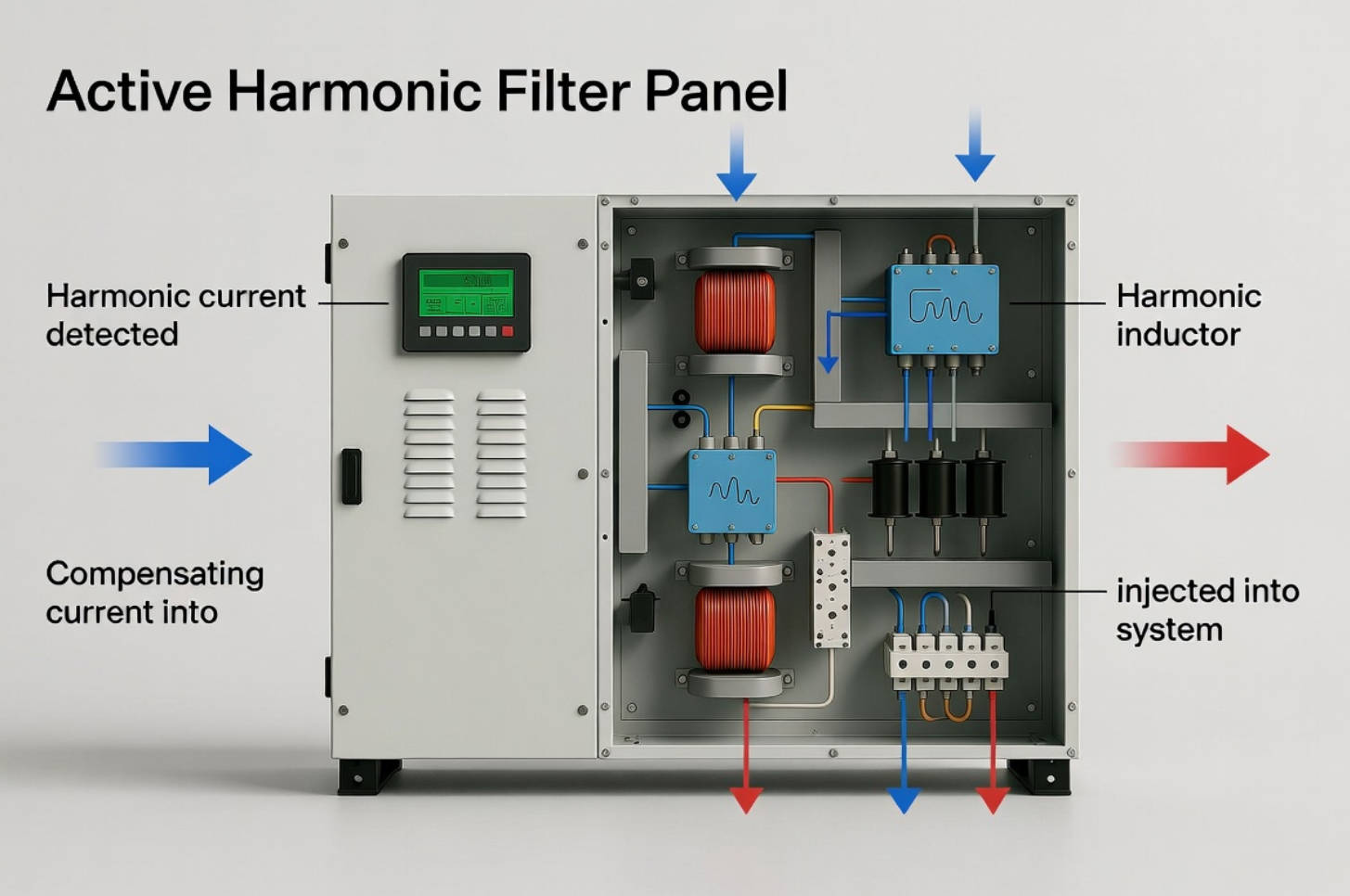
An active harmonic filter panel offers a practical and intelligent way to address these challenges. Instead of only targeting one frequency, it continuously detects harmonic currents and injects compensating current in real time. That makes it especially useful in plants where electrical conditions change throughout the day.
For manufacturers, the real challenge is not whether harmonics exist. The real challenge is how to choose the right active harmonic filter panel for the actual electrical system, load profile, and future expansion needs.
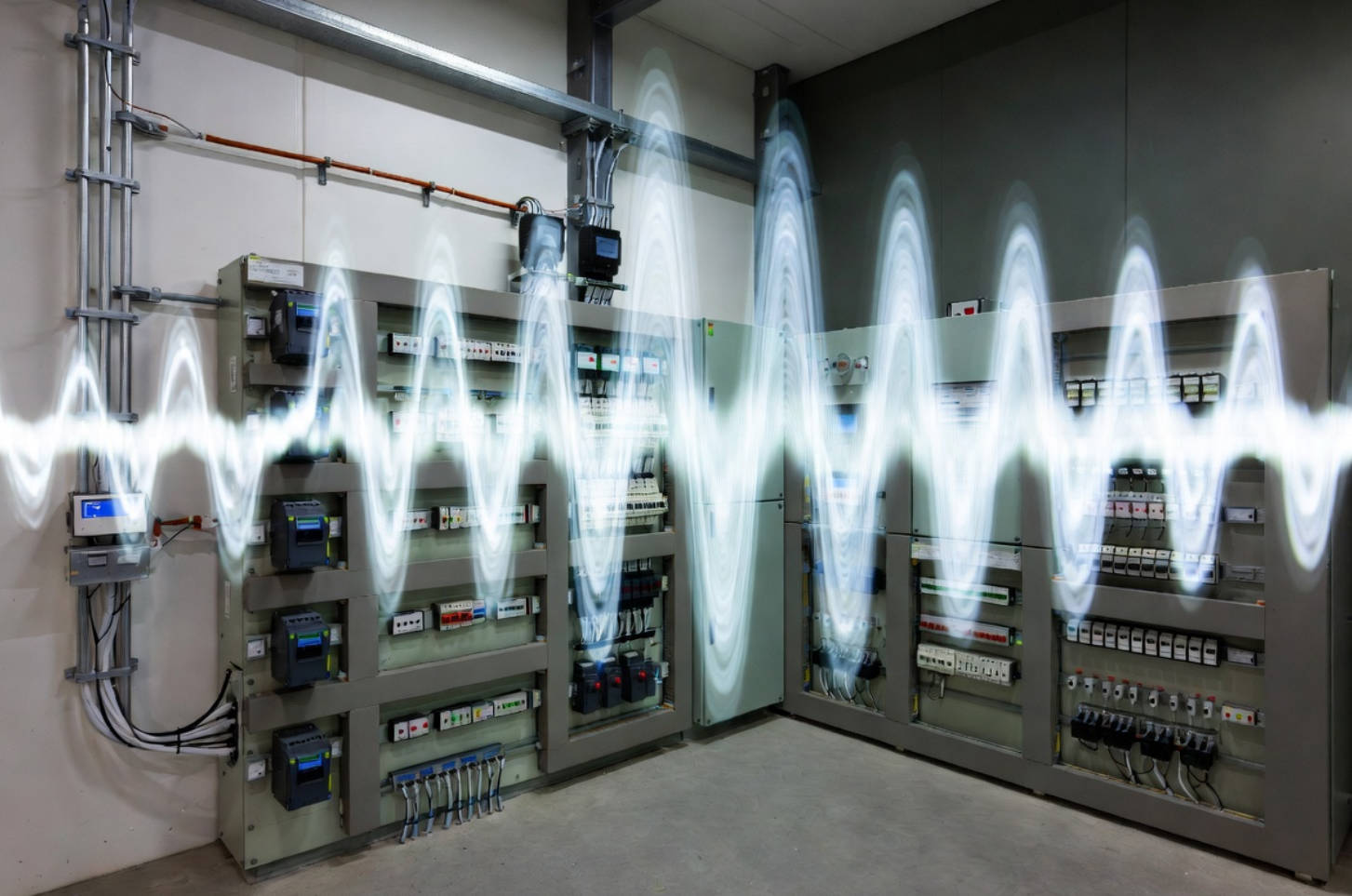
An active harmonic filter panel is designed to reduce harmonic currents generated by nonlinear loads. These loads distort the current waveform and can create overheating, nuisance trips, poor power factor, voltage distortion, and reduced equipment efficiency.
The panel works by measuring the harmonic components in the electrical system and generating an opposite current that cancels them. This real-time operation gives the active filter a major advantage in systems where load conditions are constantly changing.
In practical terms, an active harmonic filter panel can help stabilize the entire power network, improve equipment reliability, and reduce the hidden cost of poor power quality.
Harmonics are no longer a secondary issue. In many factories, they are one of the main reasons for electrical instability. Modern production lines often include many devices that do not draw current smoothly from the grid.
Common harmonic sources include:
- Variable frequency drives.
- UPS systems.
- Rectifiers and inverters.
- Welding machines.
- Servo systems and automation equipment.
- Large motor control systems.
When these loads operate together, the resulting distortion can affect transformers, cables, switchgear, capacitors, and sensitive control systems. Over time, this may lead to higher maintenance costs, lower efficiency, and more unexpected downtime.
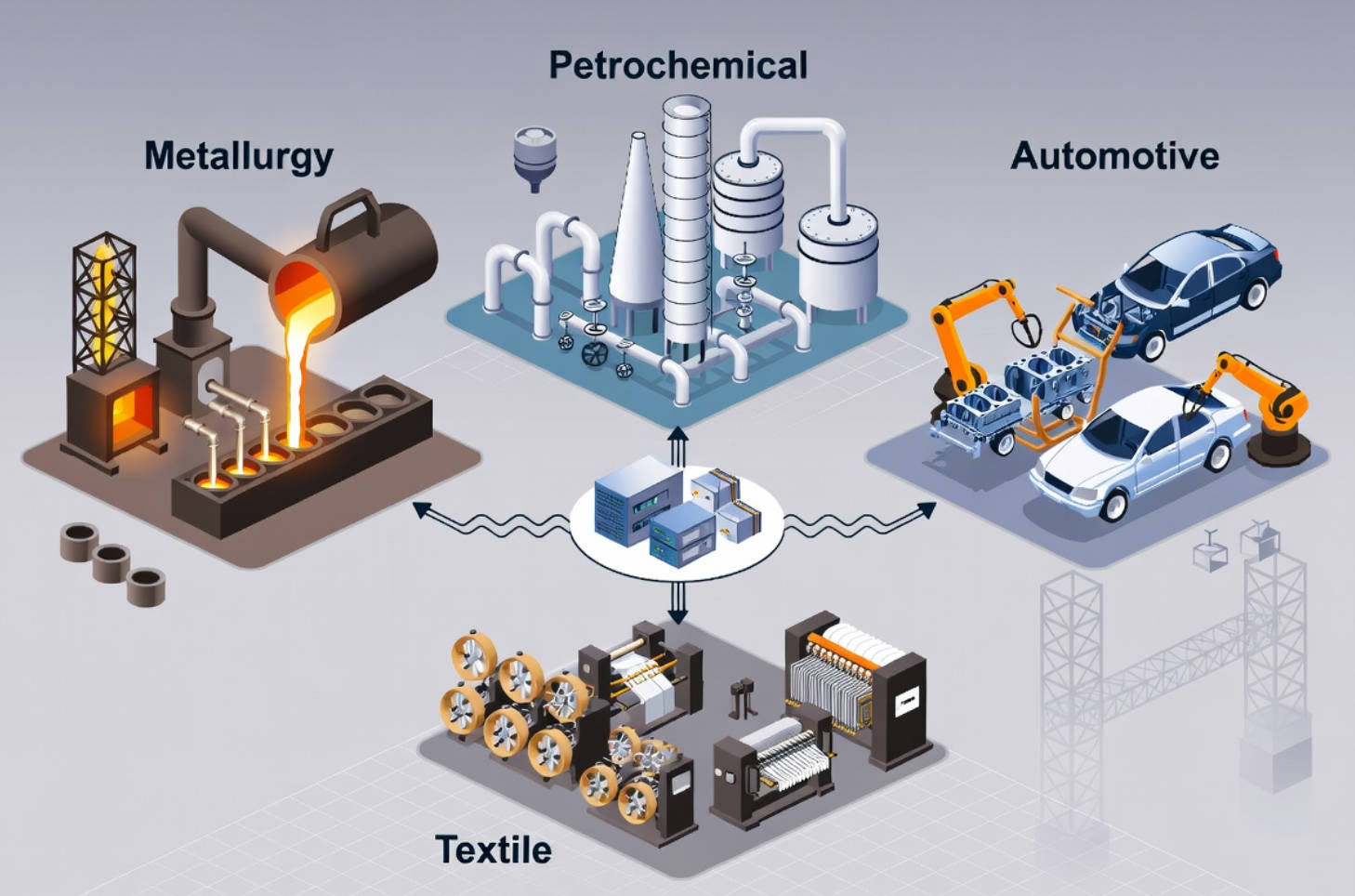
For industries such as metallurgy, petrochemical, automotive, paper, textile, and building materials, harmonic control is often a necessity rather than an option.
The most effective way to select an active harmonic filter panel is to begin with measurement, not assumption. Every electrical system has a different load mix, different bus structure, and different operational behavior.
A proper evaluation should include:
- Harmonic current measurement at the point of common coupling.
- Current and voltage distortion analysis.
- Load profiling during normal and peak production.
- Identification of dominant harmonic orders.
- Review of existing capacitor banks, reactors, and compensation equipment.
- One-line diagram review and system topology analysis.
This step is important because the filter must be matched to real conditions, not theoretical ones. A panel selected only by transformer size or total installed kW is often too small, too large, or poorly positioned.
Sizing is one of the most important parts of the selection process. If the filter is undersized, it will not solve the problem. If it is oversized, the investment may be unnecessarily high.
The following factors should guide sizing:
The first input is the measured harmonic current. The higher the distortion, the greater the required compensation capacity.
If nonlinear loads switch on and off frequently, the filter must be able to respond quickly and maintain stable compensation under changing conditions.
Plants often add more drives, more automation, or new process lines over time. A good design should leave room for growth.
A practical buffer should be included so the system can handle real operating conditions, not only test conditions. This is especially important in plants with seasonal or cyclical production changes.
Once the required capacity is known, the next step is to compare product specifications carefully. Not all active harmonic filter panels are designed for the same operating environment.
The panel should be able to reduce harmonic distortion to a level that is acceptable for the facility's internal requirements and utility expectations. It should also remain effective during dynamic load changes.
Fast response is critical in plants where loads change rapidly. The filter must detect and correct distortion quickly enough to keep the system stable.
A strong active filter should cover the dominant harmonic orders commonly found in industrial environments. In most cases, these include the 5th, 7th, 11th, and 13th harmonics.
The filter must match the actual system voltage, whether the project is based on low-voltage distribution or another configured level.
Industrial environments often include heat, dust, vibration, and long operating hours. The enclosure and thermal design must suit the site conditions.
A good panel should offer clear operating data, fault alarms, and system status visibility. This makes maintenance and troubleshooting much easier.
Not every system needs the same mitigation approach. In some facilities, the best result comes from combining technologies rather than relying on one method alone.
| Solution Type | Main Principle | Best Use Case | Main Limitation |
|---|---|---|---|
| Active harmonic filter panel | Injects compensating current in real time | Variable loads and dynamic industrial systems | Higher initial cost |
| Passive filter | Uses tuned reactor-capacitor networks | Stable, predictable harmonic profiles | Limited flexibility |
| Hybrid solution | Combines active and passive elements | Large plants with mixed harmonic conditions | Requires stronger engineering design |
For many modern industrial facilities, the active or hybrid approach offers the most reliable long-term value because production conditions rarely remain constant.
Different industries create different harmonic profiles. Understanding the application helps narrow down the right panel configuration.
Steel plants, smelting workshops, and rolling mills often use large drives and rectifiers. These create heavy harmonic loads that can stress transformers and switchgear.
Pumps, compressors, and continuous process lines often rely on VFDs and control systems. Stable power quality is essential to avoid process interruptions.
Automotive production lines use many robots, servo systems, welding stations, and automated conveyors. These loads can change quickly and require responsive harmonic control.
These industries often operate long production lines with distributed motor loads. Harmonic mitigation improves line stability and helps protect drive systems.
Cement, glass, ceramic, and related operations often have demanding electrical conditions. Active filtering helps reduce stress on the electrical infrastructure.
Many projects fail not because the technology is wrong, but because the selection process is incomplete.
Avoid these mistakes:
- Choosing a filter without measuring the actual harmonic data.
- Ignoring load growth over the next several years.
- Forgetting to review existing capacitor banks and reactors.
- Treating harmonic filtering as a standalone device instead of part of a full power quality strategy.
- Selecting only by price without checking engineering support and service capability.
A properly selected panel should fit the system, the load behavior, and the maintenance model of the plant.
In real projects, the most effective results often come from a coordinated approach. Active harmonic filters work best when they are considered together with reactive power compensation, detuned reactors, and system-level planning.
This is especially important in industrial plants that already use capacitor banks or are planning power factor correction upgrades. If the compensation system is not coordinated correctly, resonance can become another problem.
A well-designed solution should therefore address:
- Harmonic mitigation.
- Reactive power compensation.
- Power factor improvement.
- System stability.
- Future capacity planning.
That is why many industrial buyers prefer a supplier that can provide capacitors, reactors, and active filtering as part of one complete power quality solution.
Before finalizing a panel, review the following points:
1. Confirm the measured harmonic levels.
2. Identify the dominant nonlinear loads.
3. Check the system voltage and bus structure.
4. Verify existing compensation equipment.
5. Define the target distortion level.
6. Add sufficient capacity margin.
7. Confirm enclosure, cooling, and installation conditions.
8. Review after-sales support and commissioning capability.
9. Plan for future production growth.
10. Make sure the system can be monitored and maintained easily.
This checklist can prevent costly redesigns later and helps ensure the selected panel performs properly from day one.
An active harmonic filter panel is not just a product. It is part of a larger power quality strategy. That means the manufacturer must understand both equipment performance and system behavior.
DINGNUO ELECTRIC CO., Ltd. supports industrial clients with capacitors, reactors, and power quality solutions designed for demanding applications. For plants in metallurgy, petrochemical, automotive, paper, textile, building materials, and municipal projects, that kind of integrated support can make a major difference in project success.
When the supplier understands the electrical system, the load behavior, and the operating environment, the result is usually more stable, more efficient, and easier to maintain.
Selecting the right active harmonic filter panel requires accurate measurement, careful sizing, and a clear understanding of the electrical system. The best solution is the one that matches your real load profile, supports future expansion, and works smoothly with your existing compensation equipment.
For industrial users, the goal is not only to reduce harmonics. The goal is to protect equipment, improve system stability, and create a more reliable production environment.
Its main purpose is to reduce harmonic distortion by detecting unwanted harmonic currents and injecting compensating current in real time.
You need harmonic measurement data, load profiling, and system topology information. The filter should be sized based on the actual harmonic current and future load growth.
Yes, but its main function is harmonic mitigation. For complete performance, it is often used together with reactive power compensation equipment.
Industries with many nonlinear loads benefit the most, especially metallurgy, petrochemical, automotive, paper, textile, and building materials.
An undersized filter may not reduce harmonics effectively, may overload under peak conditions, and may fail to solve the original power quality problem.
In systems with changing loads, yes. Active filters are more flexible and can respond in real time. Passive filters are better for stable, predictable harmonic conditions.
1. [Eaton – Active Harmonic Filter (AHF) guide specification]
2. [IEEE Explore – Harmonic Mitigation Solutions for Industrial Connections]
3. [Fuji Electric – Active Harmonic Filter Guide]
4. [Ampersure – How to Size Active Harmonic Filters Correctly]
5. [Interstates – Detect and Reduce Harmonics, Distortion, and Noise in Your Power Systems]
6. [EPRI – Technology Assessment and Application Guide for an Active Harmonic Filter]
7. [Hammond Power Solutions – What information is needed to size an active harmonic filter?]
8. [University of Kentucky – Harmonics and mitigation techniques]


