Views: 0 Author: Site Editor Publish Time: 2026-08-07 Origin: Site


What are APF and SVG, respectively? What are the differences and similarities between them?
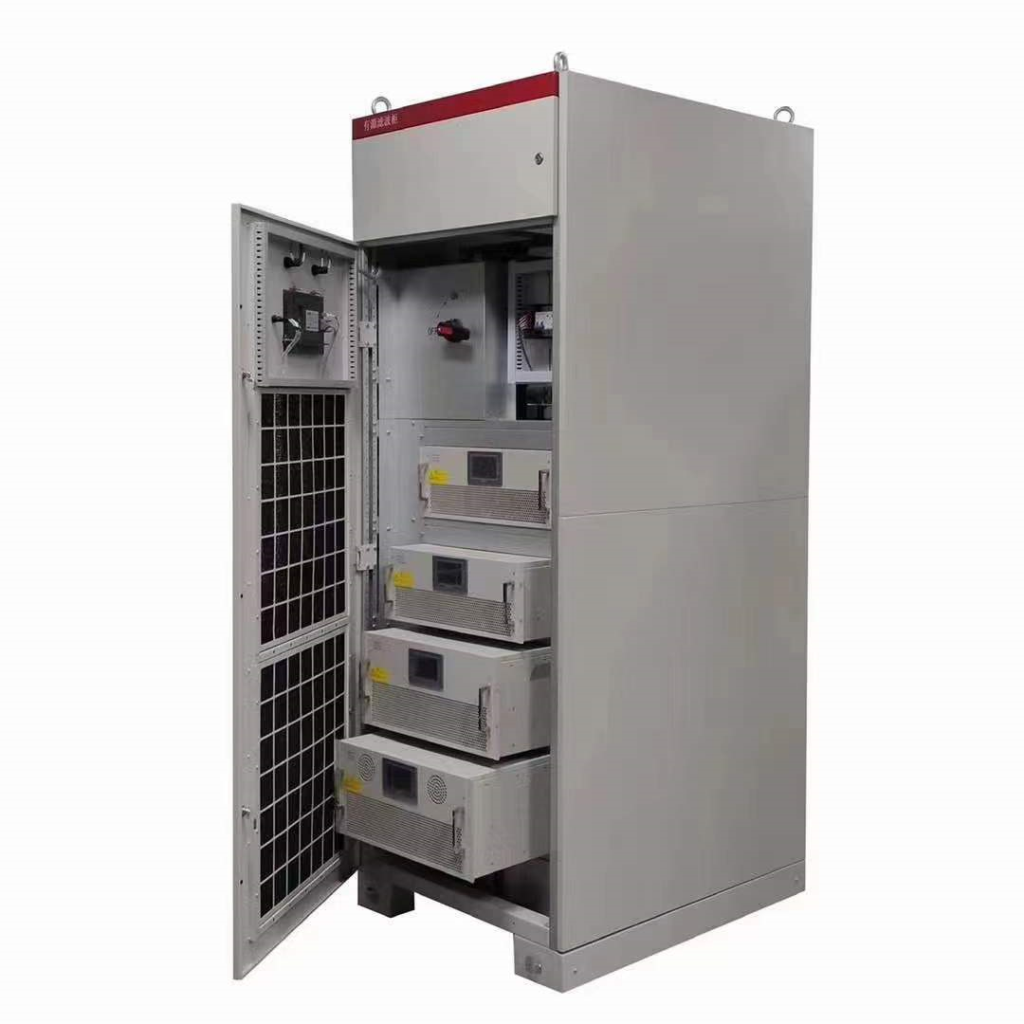
The basic principle of an active power filter (APF) is to detect harmonic currents in the power grid. Through rapid calculation, analysis, and comparison performed by an internal chip, the APF controls the main power unit to generate a compensating current that is equal in magnitude but opposite in polarity to the harmonic current, thereby ensuring that the grid current consists solely of the fundamental component. This type of filter can track and compensate for harmonics that vary in both frequency and amplitude, and its compensation characteristics are not affected by grid impedance. This active power harmonic filter incorporates imported chips and, based on the latest theory of instantaneous reactive power, utilizes cutting-edge technologies such as digital signal processing (DSP), pulse width modulation (PWM), intelligent power module (IPM) technology, and touchscreen technology (GP) to dynamically eliminate harmonics and balance three-phase loads. It is a high-tech product offering optimal filtering efficiency for harmonic mitigation and reactive power compensation.
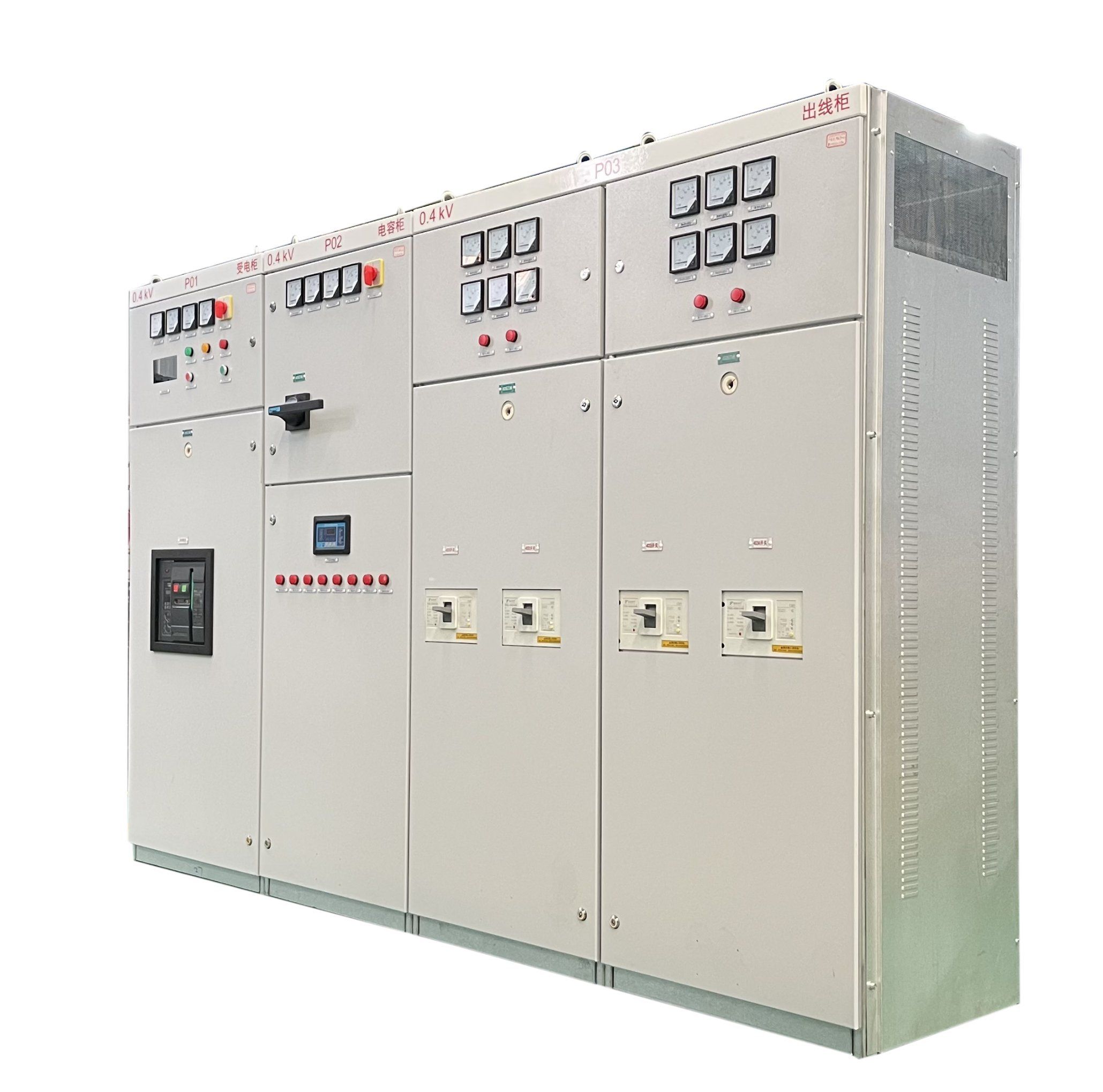
A Static VAR Generator (SVG) is one of the key devices in flexible AC transmission technology and is classified as a shunt-type dynamic reactive power compensation device. It can generate or absorb reactive power, and its output can be varied to control specific parameters in the power system. In distribution networks, installing small-capacity SVGs near certain special loads—such as arc furnaces, subways, and other impact-type and rectifier-type loads—can significantly improve power quality at the connection points between the loads and the public grid. Their primary functions include improving power factor, correcting three-phase imbalance, and eliminating voltage flicker and voltage fluctuations.
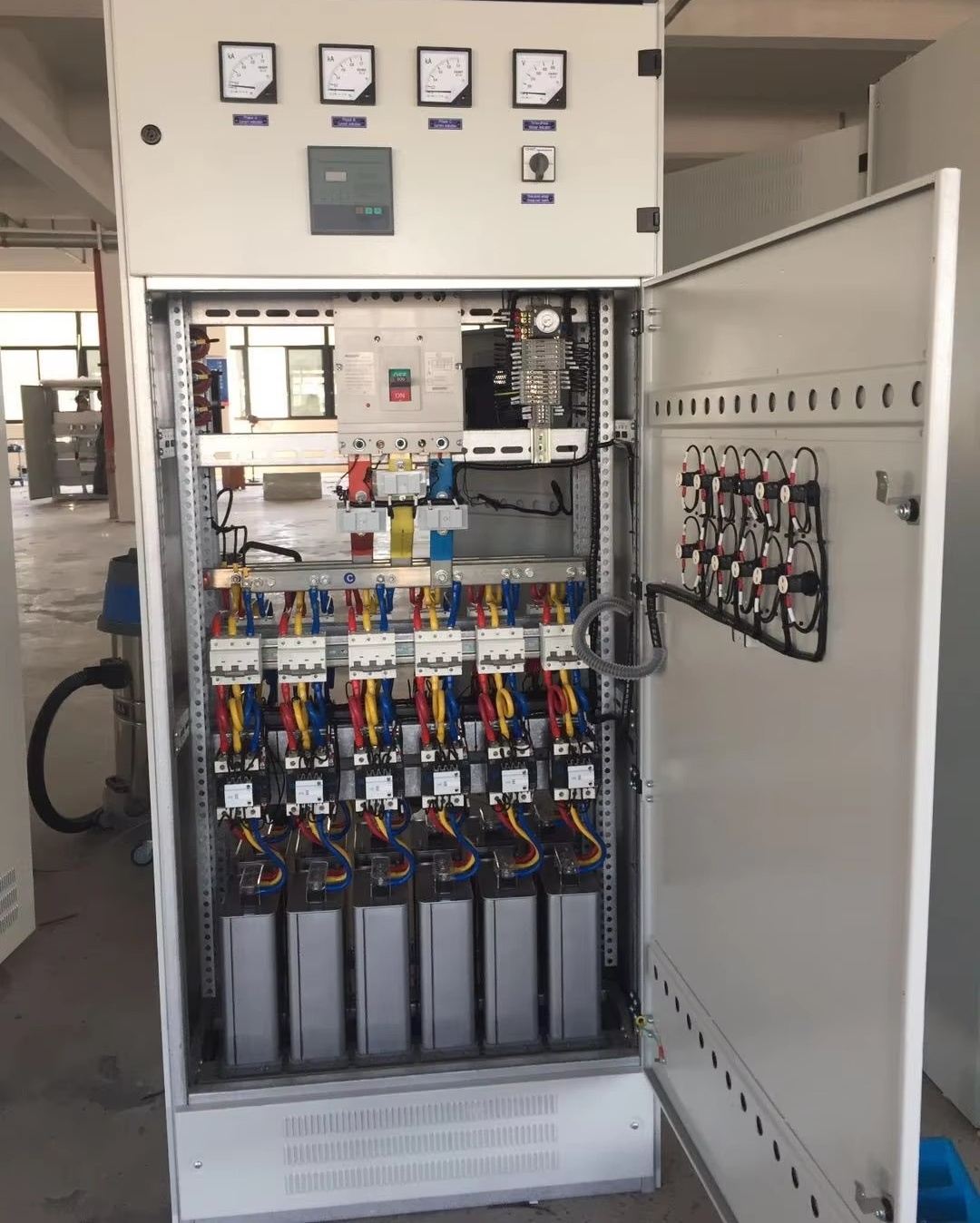
Reactive power compensation, also known as reactive power compensation, is a technology used in power supply systems to improve the power factor of the grid, reduce losses in power transformers and transmission lines, increase power supply efficiency, and improve the power supply environment. Therefore, reactive power compensation devices play an indispensable and crucial role in power supply systems. Selecting the appropriate compensation devices can minimize grid losses and enhance grid quality.
Differences and Connections Between Them
Differences: An SVG (Static Var Compensator) is a static reactive power compensation device used to improve the system’s power factor; whereas an active filter (all active filters currently available on the market are parallel-connected) is a harmonic compensation device used to eliminate harmonics within the system. This is the most significant difference between the two.
The connection is that the two can be used in combination; while compensating for reactive power, they can also suppress harmonic currents within the system.
APF is primarily used for filtering. SVG is primarily used for reactive power compensation. If harmonics are present, an SVG must be paired with a filter. The advantage of an SVG is that it can be designed with a larger capacity. APF typically come in ratings of 50A, 100A, and 150A. APF have relatively high system requirements. If your system already contains capacitors, the APF is more likely to be damaged (this is definitely based on experience). However, the system may still require reactive power, so precise calculations and simulations are necessary.
When discussing the applications of active filters, the first thing to understand is: Why use an active filter? What is its purpose? Well, as everyone knows, active filters are used to mitigate harmonics; therefore, their function is to filter out harmonics. But why is it necessary to mitigate harmonics? Because harmonics are harmful, and the types of harm they cause include:
a. Cause cables, motors, and transformers to overheat, resulting in a reduction in their service life or damage;
b. Damage sensitive equipment, leading to interruptions in production or experiments and causing significant losses;
c. Triggering circuit breaker malfunctions, resulting in localized outages;
d. Causing capacitors to become overloaded or fail;
e. Leading to high currents on the neutral line, which can cause system failures;
f. Inducing power grid resonance;
g. Harmonics present in the power grid will reduce power supply efficiency;
h. If the harmonic pollution level is too high, approval to connect to the grid from the power utility will not be granted;