
Views: 0 Author: Site Editor Publish Time: 2026-09-15 Origin: Site


Amid the global energy transition toward high efficiency, compact design and high reliability, power capacitors act as the "heart" of electric power. Their performance directly determines the efficiency and service life of the entire power electronic system. Nevertheless, power capacitors using polypropylene (PP) film as the core dielectric have long been limited by a maximum temperature resistance of 105°C. This temperature ceiling constitutes a core bottleneck restricting the industry from advancing toward higher power density and deployment in harsher operating environments.
This bottleneck is now being overcome. A new film material, Stelora™ Bn EPN955HT-80, with a temperature resistance exceeding 125°C, has achieved commercialization. It will bring unprecedented opportunities and transformations to the power capacitor industry.
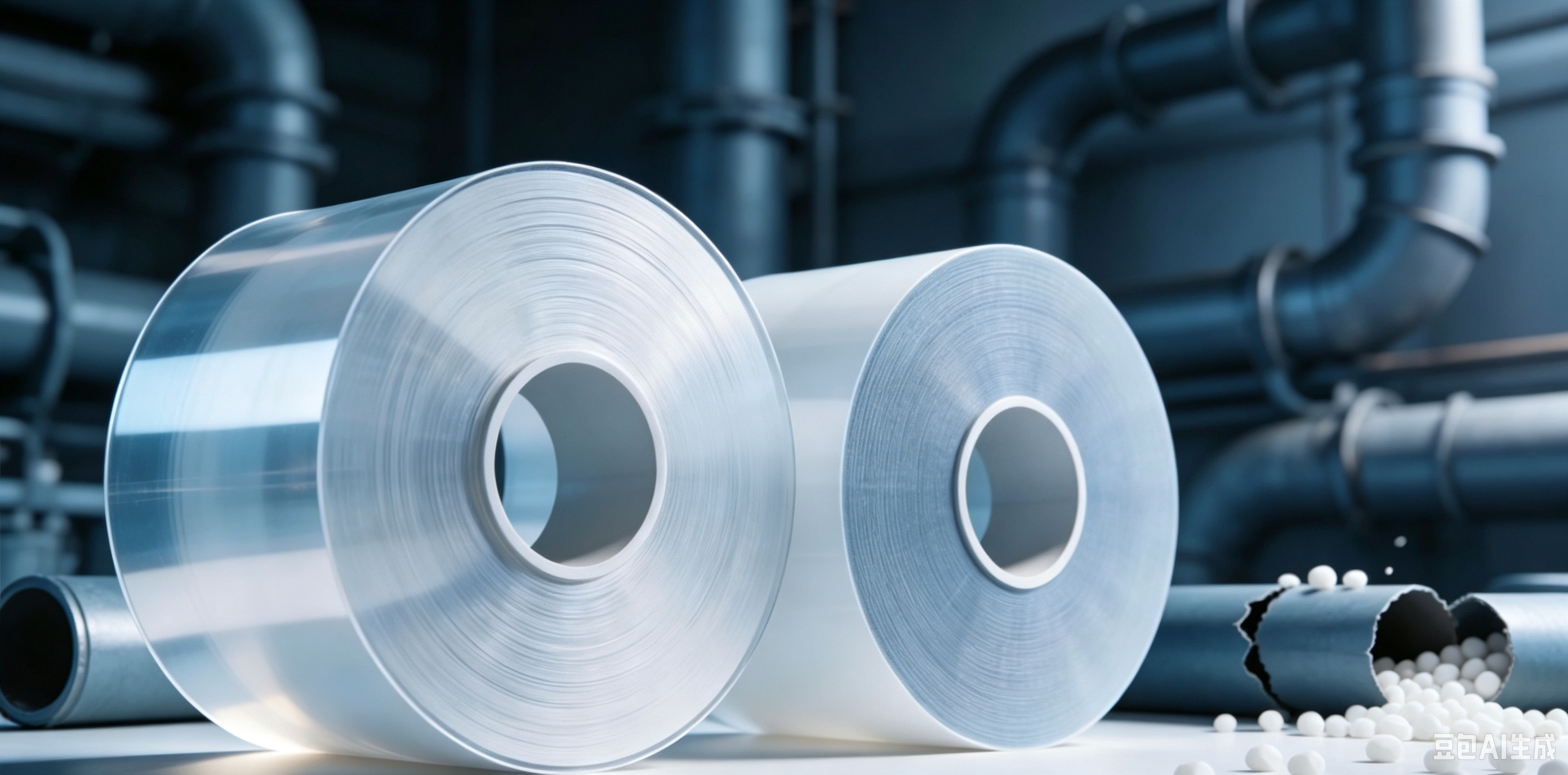
For power capacitor manufacturers, high-temperature operating conditions represent not only technical challenges but also opportunities for product upgrading and value upgrading. This trend is particularly evident in the electric vehicle and charging pile sectors.
The operating temperature of drive inverters and on-board chargers (OBCs) continues to rise alongside the continuous integration and high-power development of electric vehicles. Increasing the capacitor temperature resistance from 105°C to above 125°C can greatly simplify system heat dissipation structures, enabling equipment miniaturization, lightweight design, and overall cost reduction. These improvements precisely match the core technical demands of vehicle manufacturers and Tier 1 automotive suppliers.
For desert power plants and installations located in high-temperature regions, equipment must operate at full load under high-temperature conditions for extended periods. The adoption of high-temperature film capacitors can markedly improve system reliability and service life in extreme environments, cut maintenance costs, and strengthen the technical competitiveness of your products during bidding processes.
Offshore wind platforms operate in harsh environments with extremely high maintenance costs. Capacitors featuring high temperature resistance and long service life are critical to guarantee stable operation of converters for over 20 years, serving as the "entry ticket" for access to high-end markets.
Equipment integration continues to increase, resulting in compact cabinet space and heavy heat dissipation pressure. High-temperature resistant capacitors allow higher operating temperatures, helping customers optimize the overall thermal design of complete equipment and improve power density.


